Understanding the Allure of Keno
Keno, a lottery-style game, captivates players with its simplicity and the tantalizing prospect of a significant payout. The fundamental appeal lies in its accessibility; anyone can grasp the rules and place a bet within moments. This low barrier to entry, combined with the thrill of random number generation, creates an environment where hope and anticipation are paramount. The psychological draw is rooted in the belief that sheer luck can transform a small stake into a life-changing sum, a dream that resonates deeply with many, and for those seeking a new online gambling experience, exploring options like casiku can be part of that journey.
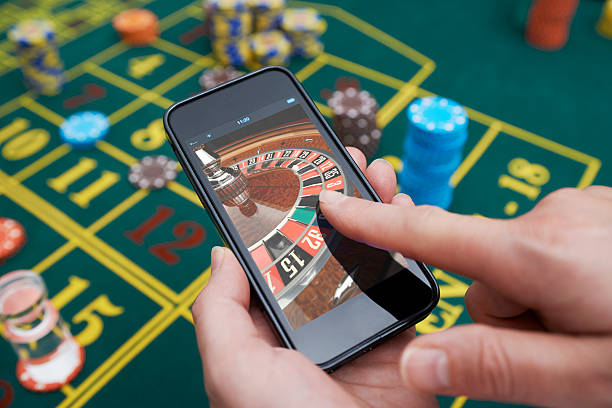
The visual presentation of Keno, often featuring colorful numbers and dynamic drawing sequences, further enhances its psychological impact. This stimulation keeps players engaged, fostering a sense of excitement with each draw. The inherent randomness of the game, while scientifically predictable in its probabilities, is perceived by many as an opportunity for a personal stroke of fortune. This perception is a powerful driver, encouraging repeated play and a persistent belief in the possibility of hitting the jackpot.
The Role of Cognitive Biases in Keno Play
Several cognitive biases significantly influence how players approach Keno. The “gambler’s fallacy,” for instance, is prevalent; players might believe that if a number hasn’t appeared for a while, it’s “due” to be drawn, despite each draw being an independent event. This flawed reasoning can lead to strategic choices that are not based on actual probabilities. Similarly, the “illusion of control” can lead players to believe their number selection process has more influence than it does, especially if they have personal significance attached to certain numbers.
Another key bias is “confirmation bias,” where players tend to remember their wins, however small, and downplay or forget their losses. This selective memory reinforces the belief that they are “good” at Keno or that their chosen numbers are somehow lucky. The anticipation of a win, fueled by these biases, creates a dopamine loop, making the experience more engaging and reinforcing the desire to continue playing, even in the face of consistent losses.
Emotional Drivers and Keno Engagement
The emotional landscape surrounding Keno play is rich and varied. For many, it’s a form of escapism, a temporary distraction from everyday stresses and routines. The act of choosing numbers and awaiting the draw can be a cathartic experience, offering a brief respite. The excitement of a potential win provides an emotional high, a surge of adrenaline that can be highly addictive. Conversely, the disappointment of losing can be managed through the belief that the next game offers a fresh start and a renewed chance for success.
The social aspect, even in solo play, can also be an emotional driver. Players often share their Keno experiences, discussing lucky numbers or near misses, fostering a sense of community. This shared anticipation and occasional shared triumph contribute to the overall emotional engagement. The perceived low stakes for a high reward also make Keno an emotionally accessible form of gambling, where the risk is often outweighed by the dream of a substantial payout.
Strategies and the Illusion of Influence
While Keno is fundamentally a game of chance, players often develop personal “strategies” to exert a sense of influence. These might involve selecting “hot” or “cold” numbers based on past draws, or sticking to a favored set of numbers consistently. These strategies, while psychologically comforting, do not alter the inherent randomness of the game. The belief that these methods can increase winning chances is a powerful psychological crutch, providing a framework for playing and a narrative around their engagement.
The selection of numbers itself can be an intricate ritual for some players. Whether based on birthdays, anniversaries, or perceived lucky digits, this personalization imbues the game with a personal narrative. This makes each game feel more meaningful than a purely random selection, strengthening the player’s connection to the outcome and their continued participation. The perceived agency in number selection is a key psychological component that keeps players invested.
Discovering Keno on a Developing Platform
As a new online platform under development, understanding the psychology of Keno players is crucial for creating an engaging and responsible gaming environment. The aim is to provide a space that acknowledges the inherent excitement and hopeful anticipation that draws players to games like Keno, while also fostering a positive user experience. This involves ensuring the platform is intuitive, visually appealing, and offers clear information about game mechanics and probabilities.
The development team is focused on building a platform that is not just a place to play, but a valuable resource for users. By understanding the psychological drivers behind Keno engagement, the platform can be designed to inform, connect, and entertain players in a way that is both enjoyable and mindful of responsible gaming practices. The commitment is to offer a fresh, engaging experience as the site evolves.